
When a $10,000 POS Offer Isn’t Really $10,000
A $10,000 sign-on offer is going to get a business owner’s attention. In the restaurant industry, where every dollar matters, an incentive like that can make switching point of sale systems seem like an easy decision. New hardware, new technology, and a five-figure payment can certainly sound appealing. But before signing on the dotted line, it’s worth taking a closer look at what that $10,000 actually means.

POS companies are competing aggressively for new customers, and large promotional offers have become a common part of the sales process. Free equipment, discounted software, reduced processing rates, and substantial sign-on bonuses can all make one provider appear significantly less expensive than another. The problem is that the promotional number is only one piece of the agreement. The real cost comes from understanding what you’re committing to in exchange for receiving it.
For example, one current industry promotion offering a $10,000 payment requires an eligible business to commit to an initial contract term of at least 24 months and maintain a minimum monthly software subscription. The business also has to meet specific deadlines for signing and going live, and the merchant has to request the payment after the system is activated. None of those requirements necessarily make the promotion a bad deal, but they demonstrate why a business shouldn’t look at the $10,000 in isolation.

Consider the math. If a business meets a $750 monthly software requirement over a 24-month commitment, that’s $18,000 in software subscription costs alone. The $10,000 incentive obviously changes the equation, but it doesn’t eliminate the commitment. There can also be payment processing costs, hardware, online ordering, integrations, and additional software or services. The better question isn’t simply, “How much are they giving me?” It’s, “What will this system cost my business over the entire term of the agreement?”
Then there’s the part of the contract that many business owners may not think about until it’s too late: what happens if they want to leave? Promotional agreements can require a merchant to repay the entire incentive if the business terminates the agreement before the initial term expires, except under specific circumstances. That means a business could receive $10,000, operate on the system for a significant portion of the contract, and still potentially owe the full $10,000 if it decides to leave early. In some agreements, that repayment can also be added to early termination fees or other amounts owed under the contract. A $10,000 incentive can look very different when you realize it may come with a significant obligation attached.
That doesn’t mean businesses should automatically reject promotional offers. If the technology is right, the pricing works, and the contract makes sense for the business, an incentive can absolutely provide value. The important thing is making the decision based on the entire relationship rather than the size of the promotional check.
And that’s where something else becomes important: support.
Every POS company can provide an impressive demonstration. Every provider can show off features, hardware, online ordering, loyalty programs, and payment processing capabilities. But those features don’t mean much when the system stops working during the Friday night dinner rush. When an online order isn’t reaching the kitchen, a terminal won’t process a payment, or a receipt printer suddenly stops responding, the most important feature may simply be having someone who answers the phone.
At Boston North Company, we believe businesses should look at more than the incentive when choosing a POS provider. Look at the total cost. Understand the contract. Know what happens if you need to leave. And most importantly, know who will be there when you need help.
A $10,000 offer might get your attention. The company standing behind your POS system should earn your business.
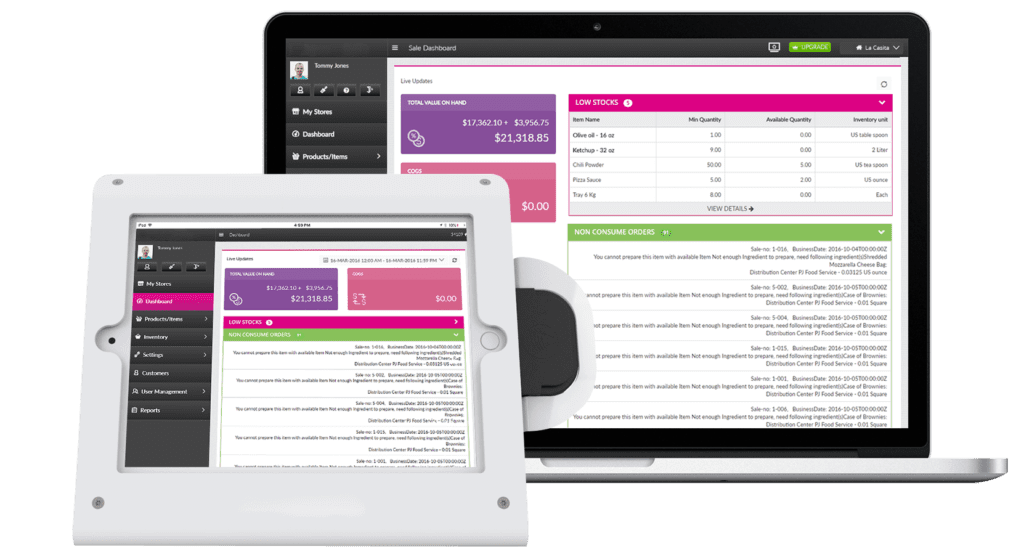 Tracking and managing inventory has never been easier with this fully integrated application. Set alerts for when inventory is low, reminding you to replenish items. LexgiaPOS Inventory also allows you to define minimum stock levels for any and all products, prompting the system to create automated shopping lists with every item that must be replenished. Check for the most popular items and plan restocking accordingly.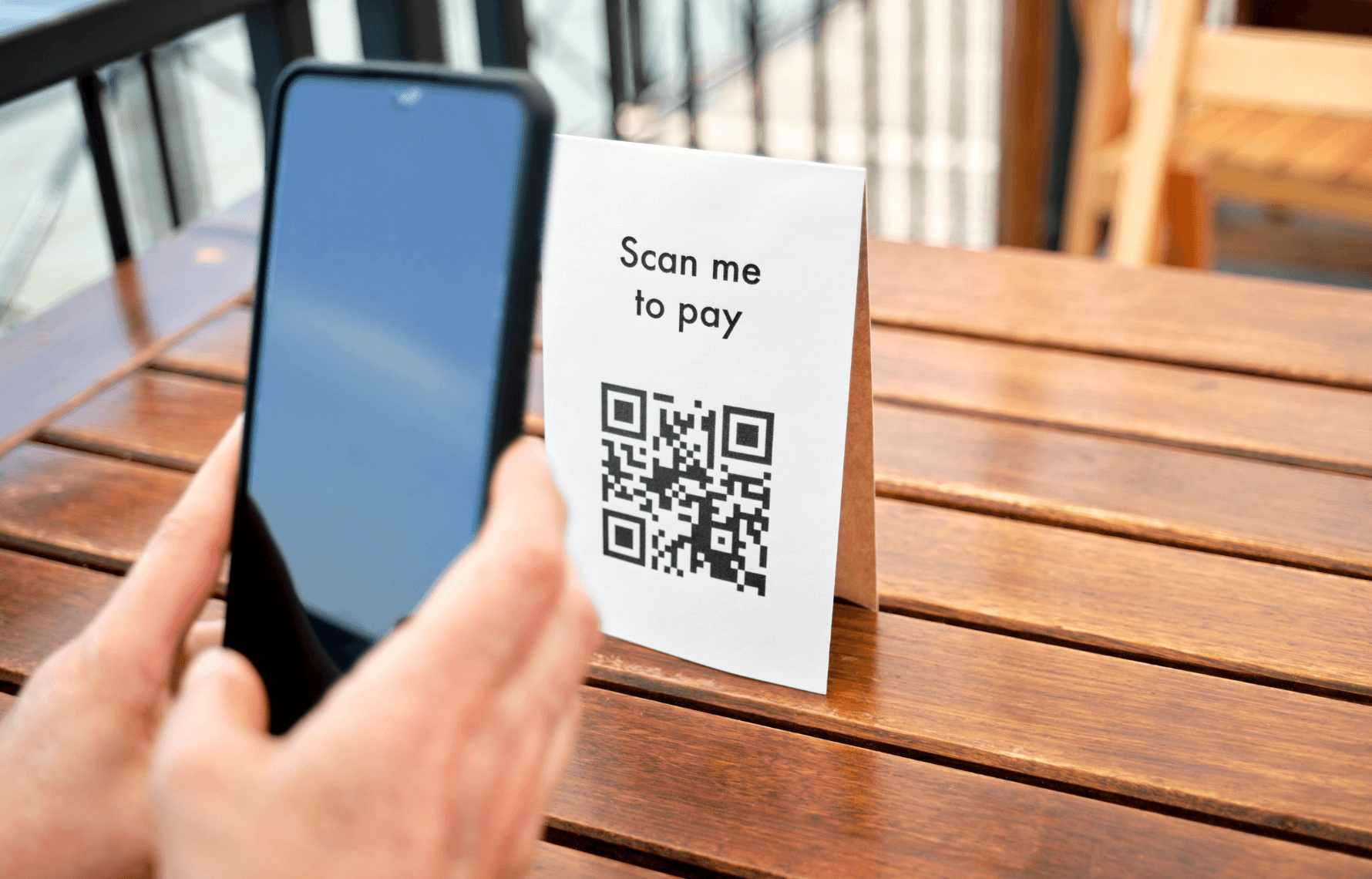











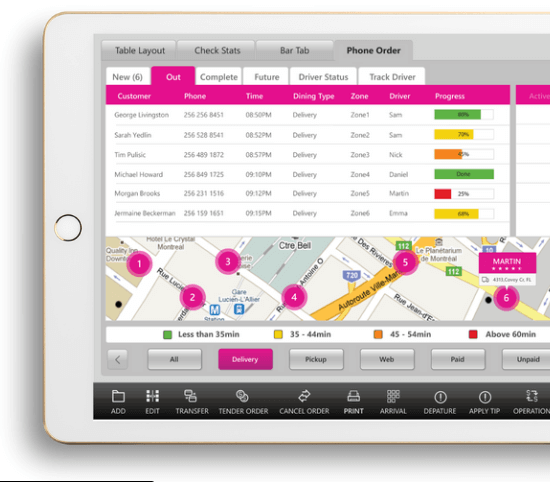 Delivery service is a valuable asset for any business, as it conveniences customers and creates another avenue for profit. LexgiaPOS Driver is a fully integrated application developed for restaurants as well as their drivers to foster a seamless delivery process.
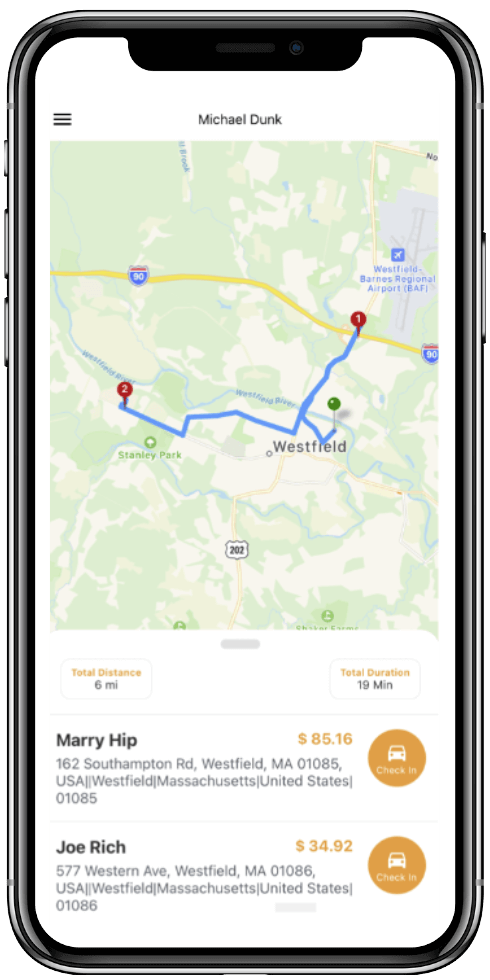 Quickly and easily assign drivers to certain deliveries or delivery routes within the system, speeding up the process. They can be informed anywhere at any time with SMS alerts, allowing for route changes and quick turnaround time. The system provides real-time driver status and allows you to collect data to measure driver performance.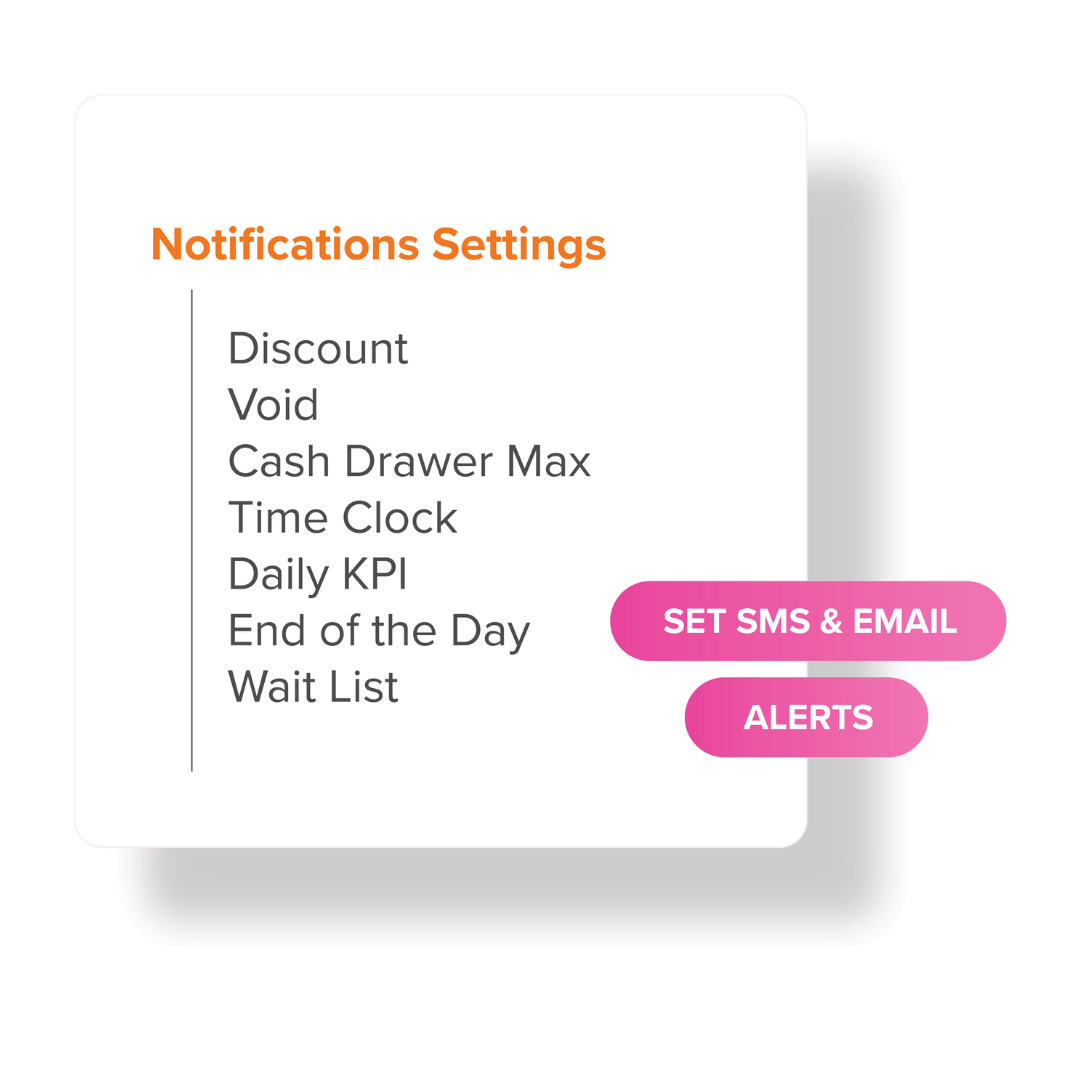
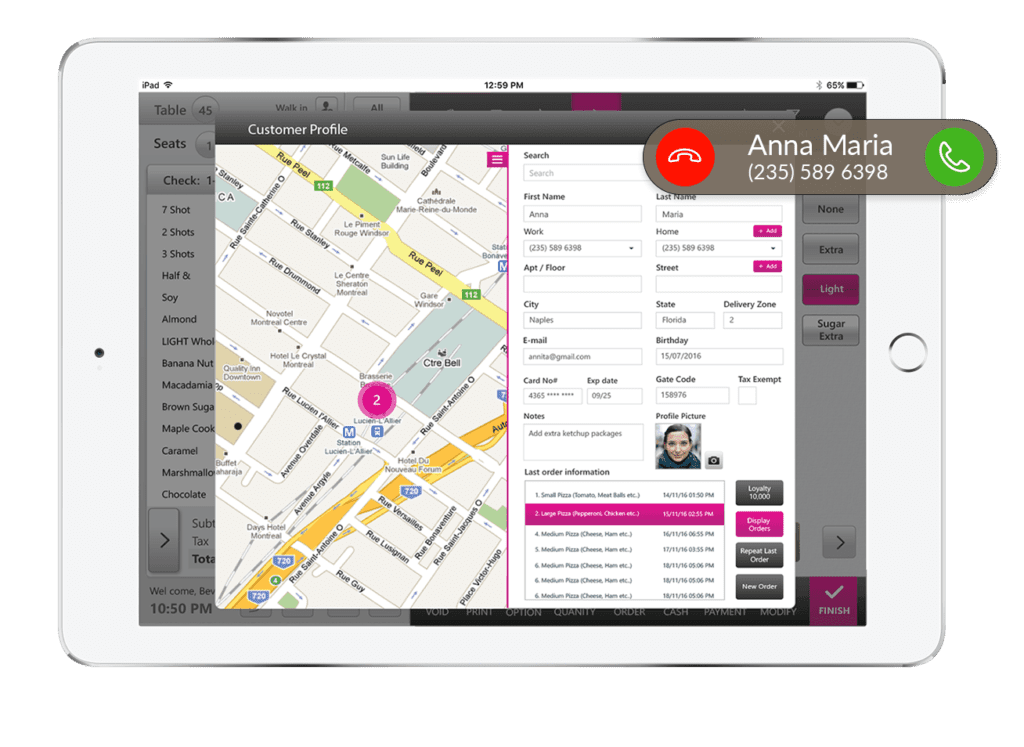

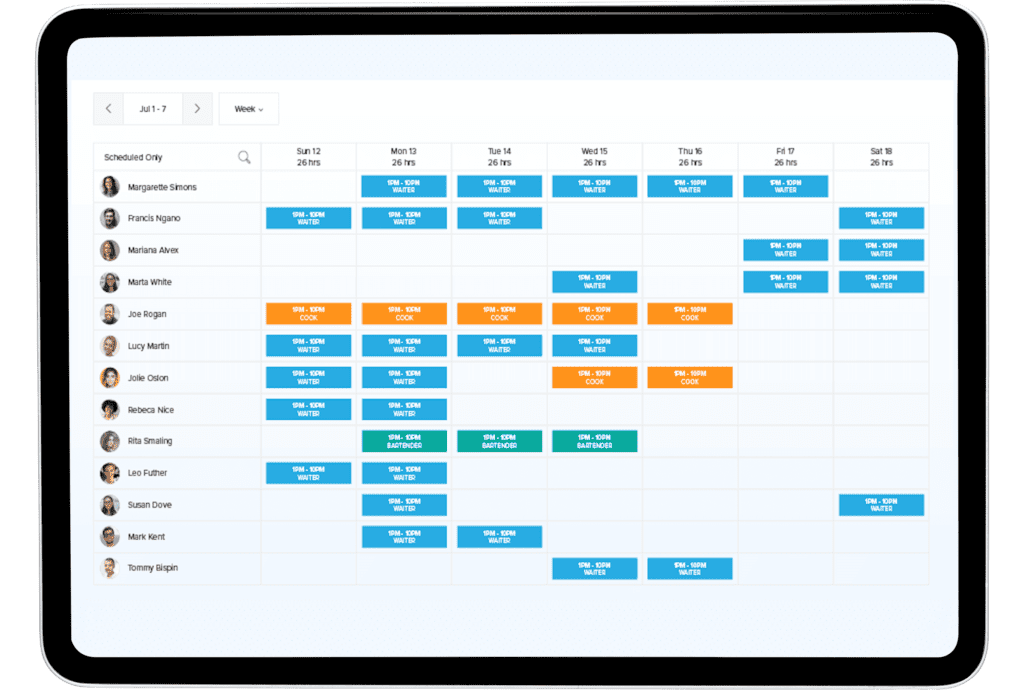
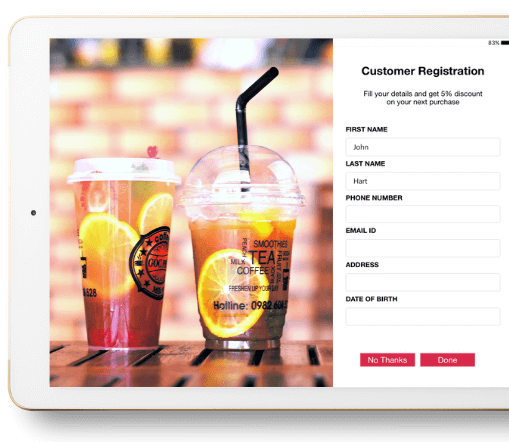 LexgiaPOS's S customer loyalty application allows businesses to create customized loyalty programs based on the best interests of both their consumers and the business itself. Loyalty rewards can be based on a variety of factors, including enrollment, customer visits, a fixed spent amount, specific menu items, and menu category.
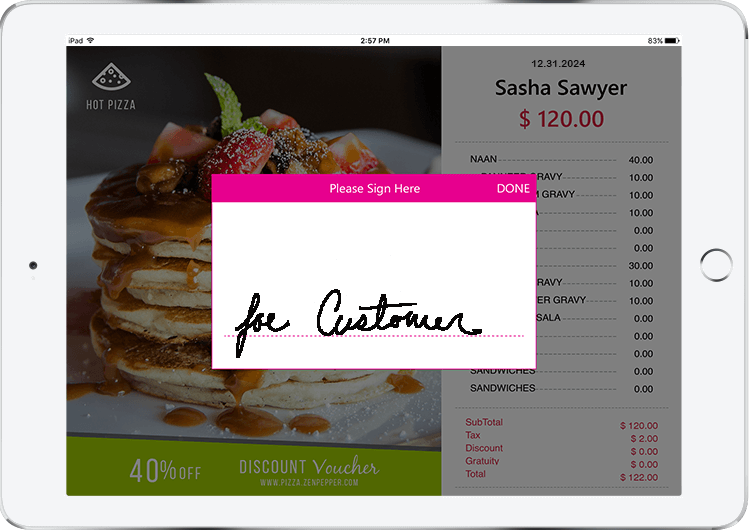 LexgiaPOS CDS is a customer facing display that they are able to interact with during checkout. The easy and fast technology provides high levels of service and convenience for customers, allowing for less delay at checkout and increased consumer satisfaction. Equipped with a tip processing feature and required digital signature, the system provides quick service that is both enjoyable and more secure. The application can also prompt customers to opt-in to your loyalty program if you choose, driving more signups.
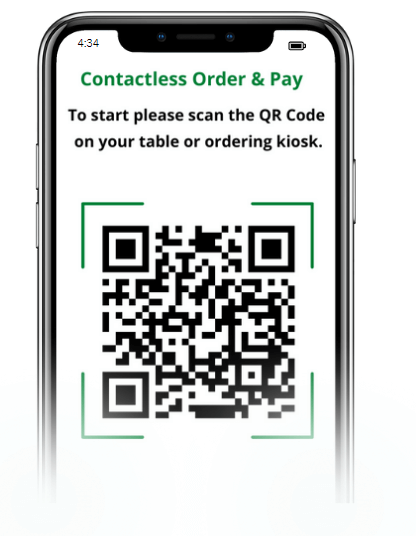
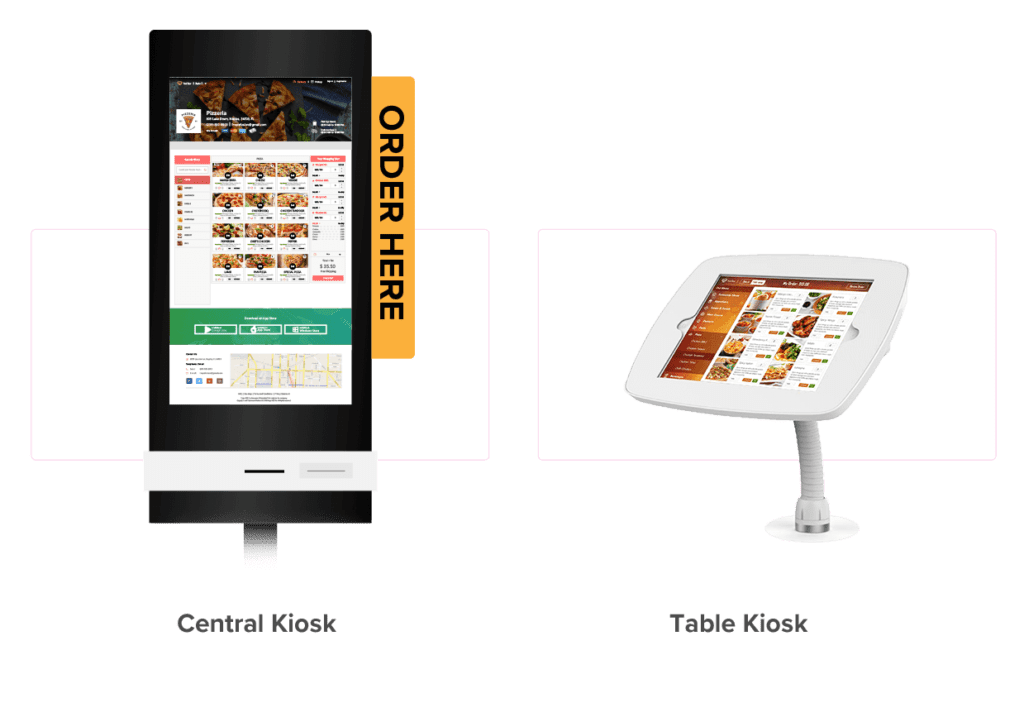 Self-order kiosk checkouts allow for customers to fully engage with the order and checkout processes independently, creating a more convenient customer experience while simultaneously lifting pressure from the front-of-house staff. LexgiaPOS Kiosk quickens the process of making and dispatching orders by communicating directly to a second display system located in the kitchen. The application eliminates extra steps by enabling direct communication from your consumers’ fingertips to the eyes of the kitchen staff.
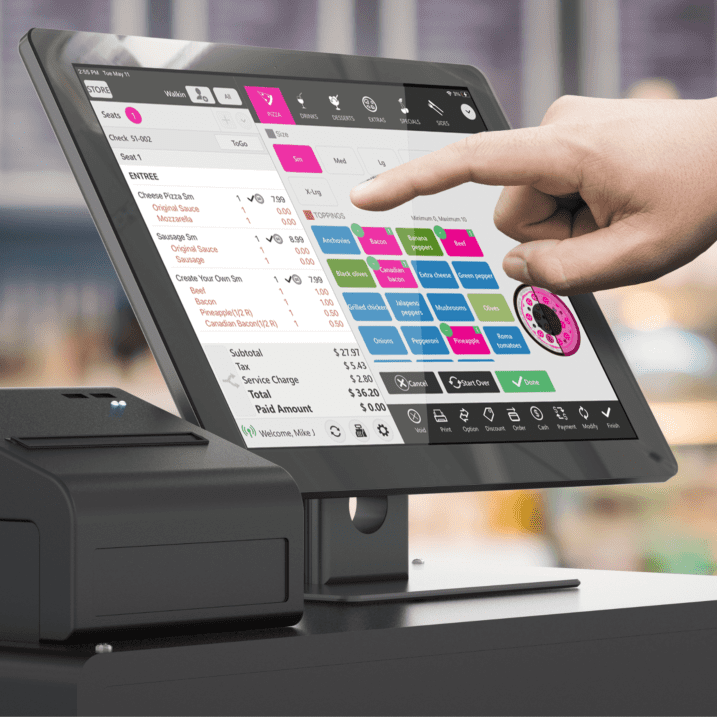
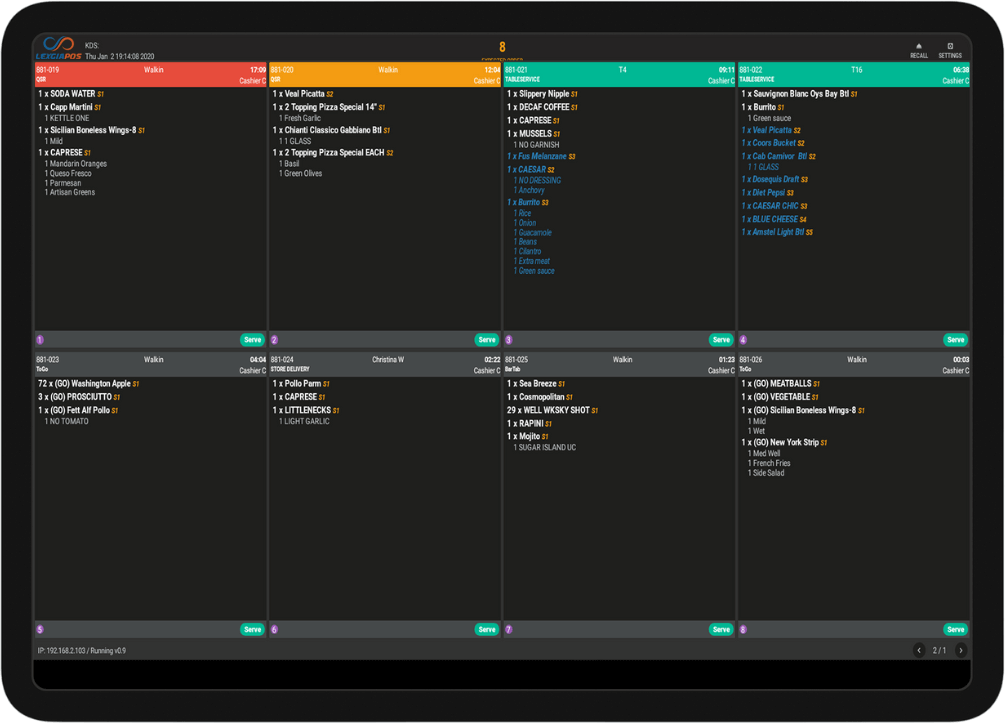 LexgiaPOS KDS is a system specifically designed for catering to needs inside the kitchen. Always in direct communication with the front-of-house display, both systems can stay connected even without internet, allowing for no interruptions to the flow of your workday.
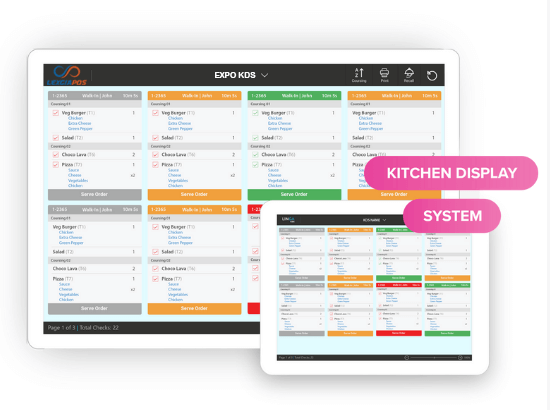 If your restaurant serves pizza, LexgiaPOS KDS allows your customers to customize a pie down to the slice and make their topping choices as elaborate as desired. Customers can also receive SMS text alerts directly from the kitchen so that they are notified as soon as their order has been completed. The kitchen display system allows for optimal efficiency and a significant reduction of error and waiting time.
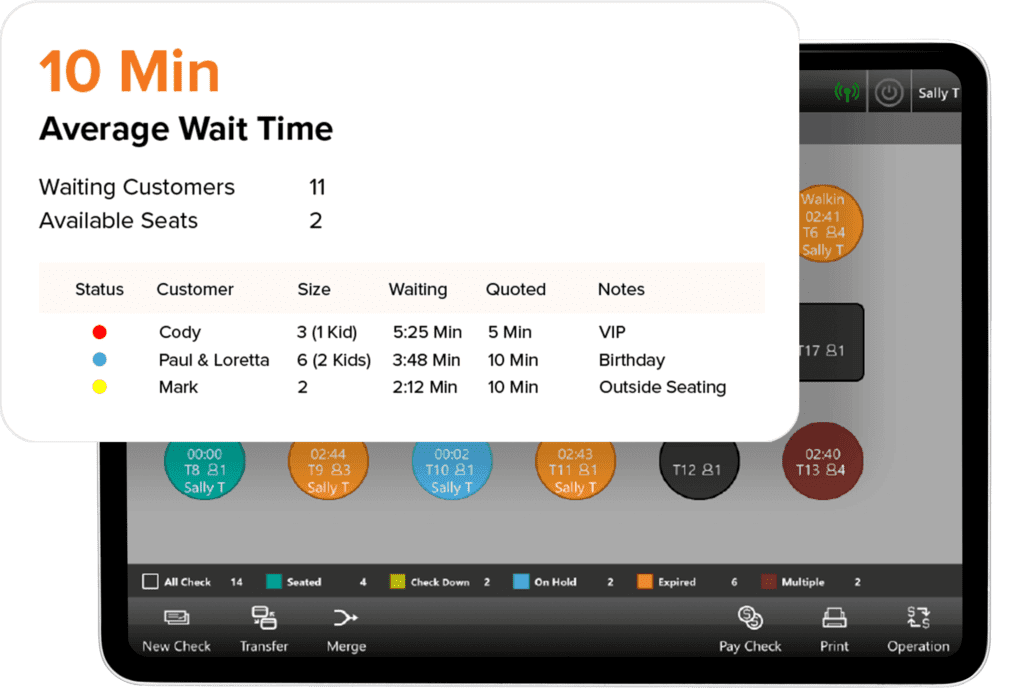 Excessive wait times can lead to customer dissatisfaction, lack of repeat business, and loss of sales. LexgiaPOS Waitlist is a fully integrated application within the operating system that tracks and manages your business’s bookings and guests to ensure minimal wait time and maximal communication with your customers. Equipped with a wait time calculator and synced with the statuses of your tables, the application remains constantly updated and can keep your customers in the loop as well by sending SMS text alerts regarding the status of their wait.